
Article Summary
- Cybersecurity monitoring is no longer optional because your digital assets face constant exposure to evolving threats.
- Continuous visibility across networks, endpoints, and cloud environments reduces dwell time and limits business impact.
- With the right tools and strategy, you strengthen business continuity, improve compliance, and build a resilient cyber defense.
You operate in a world where your systems never sleep. Your users connect from home, airports, and shared workspaces. Your applications run in data centers, hybrid clouds, and SaaS platforms. Every connection creates opportunity. Every connection also introduces risk.
If you rely on prevention alone, you leave gaps. Firewalls and antivirus solutions still matter, but attackers automate reconnaissance and weaponize exploits in hours. You need cyber security monitoring that gives you continuous visibility, real-time awareness, and the ability to respond before damage spreads.
Why Cybersecurity Monitoring Is No Longer Optional
You cannot secure what you cannot see. Your digital assets remain exposed to evolving threats every day. Attackers scan your infrastructure for weak credentials, unpatched systems, and misconfigured cloud services.
At the same time, your attack surface expands. When you support distributed teams with secure work from home security solutions, you improve agility and employee satisfaction while expanding your perimeter beyond the office firewall.
Cloud adoption accelerates innovation, but it increases complexity. You deploy workloads quickly and integrate third-party services to meet business demands. Without continuous cybersecurity monitoring, configuration drift and overlooked vulnerabilities create entry points for attackers.
Attackers move faster than traditional defenses. If you depend solely on perimeter controls, you may not detect a breach for weeks. During that dwell time, adversaries escalate privileges, move laterally, and stage data for exfiltration.
Why Prevention Alone Is Not Enough
Prevention blocks known threats. Monitoring identifies suspicious behavior, even when the technique is new.
You need real-time threat monitoring that analyzes network traffic, authentication attempts, and user activity. When you inspect traffic continuously, you identify unusual communication patterns that signal compromise.
Network security monitoring plays a critical role in detecting lateral movement. Attackers rarely strike a single system and stop. They pivot. They explore file shares, domain controllers, and critical servers. When you monitor east-west traffic inside your environment, you expose that movement early.
Endpoint security monitoring adds another layer of protection. Attackers often begin with a phishing email or compromised credentials. Once inside, they execute scripts, modify registry keys, and create new processes.
Through comprehensive endpoint security monitoring services and advanced FortiEndpoint threat protection, you gain deep visibility into endpoint behavior. Endpoint detection and response platforms analyze patterns, not just signatures.
Early Ransomware Detection
Ransomware often begins quietly. A user clicks a malicious attachment. A script runs in the background. Files begin to encrypt.
When you track process execution and file changes in real time, you detect abnormal encryption behavior within minutes. You isolate the device before the malware spreads across shared drives. Early threat detection directly reduces business impact and preserves business continuity and security.
Continuous Network Monitoring and Real-Time Traffic Inspection
You strengthen your cyber resilience strategy when you monitor internal traffic continuously. Traditional monitoring focused on incoming and outgoing connections. Today, you must also monitor communication between internal systems.
Network detection and response tools analyze packet data, logs, and behavioral indicators. They correlate events across firewalls, servers, and cloud workloads. This centralized visibility helps you identify anomalies that individual tools might miss.
When your threat detection systems flag unusual communication patterns, you need a structured response.
- First, validate the alert against known business processes.
- Second, isolate affected systems to contain potential spread.
- Third, investigate the root cause by reviewing logs and endpoint telemetry.
- Fourth, remediate vulnerabilities and update policies to prevent recurrence.
This disciplined approach supports digital risk mitigation and reduces dwell time across your environment.
Vulnerability and Configuration Monitoring
Many breaches begin with simple misconfigurations. An exposed storage bucket. A weak access policy. An unpatched server.
Continuous scanning for weaknesses reduces your vulnerability level. When you integrate vulnerability management into your IT security monitoring program, you shift from reactive to proactive defense.
You track configuration drift. You identify systems that fall out of compliance. You align your controls with regulatory frameworks and internal standards.
For organizations in regulated industries, compliance and cybersecurity align closely. Monitoring provides documented evidence of controls and supports audit readiness. You strengthen your compliance posture while improving digital asset protection.
You also protect sensitive data with advanced data loss prevention monitoring solutions. Monitoring outbound traffic helps you prevent costly data breaches before they escalate.
Tools That Power Your Cybersecurity Vigilance
You need integrated security monitoring tools that deliver centralized visibility and actionable insight.
Security information and event management platforms aggregate logs from across your environment. They correlate events and highlight patterns that indicate compromise. With a unified view, you improve security visibility and control.
Endpoint detection and response solutions focus on device-level activity. They analyze process behavior, memory usage, and network connections. When suspicious activity appears, they support rapid threat containment and isolation.
Zero Trust monitoring strengthens internal defenses. When you implement modern network access control and Zero Trust solutions, you verify every user and device before granting access. You enforce least privilege and continuously reassess trust.
This approach limits the blast radius of compromised credentials and enhances early threat detection across your infrastructure.
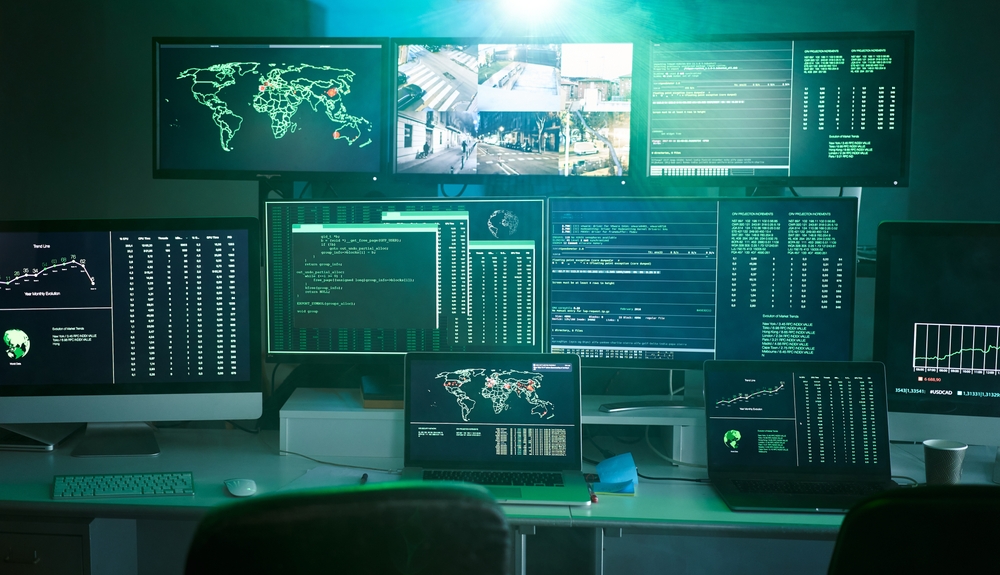
The Business Benefits of Staying Vigilant
Cybersecurity monitoring protects more than data. It protects your revenue, operations, and reputation.
- You maintain business continuity because you detect and contain threats quickly. You minimize operational downtime by acting before attackers disrupt critical systems.
- You reduce financial costs by preventing large-scale incidents. The investment in continuous security monitoring often proves far lower than the cost of recovery, legal fees, and regulatory penalties following a breach.
- You improve security decision-making because you rely on data, not assumptions. Real-time monitoring reveals trends, recurring weaknesses, and emerging risks.
- You build a stronger cyber risk management program. You move from reacting to incidents to anticipating them. That shift defines a mature cyber resilience strategy.
You also strengthen your security posture when you establish clear metrics for your monitoring program. Track mean time to detect, mean time to respond, and incident containment rates. Review these metrics regularly with leadership so security becomes a business discussion, not just a technical one.
When you measure performance consistently, you identify gaps faster, justify investment with confidence, and demonstrate how continuous security monitoring directly supports operational stability and revenue protection.
A Complete Overview of Your Digital Infrastructure
When you commit to continuous monitoring, you gain clarity. You understand how assets connect, where sensitive data resides, and which systems require immediate attention.
You reduce dwell time because you detect abnormal behavior early. You strengthen data breach prevention because you align monitoring with your most critical assets.
Cybersecurity vigilance requires more than tools. It requires experience, process, and strategic alignment with business goals.
When you partner with Liquid Networx, you implement a monitoring framework that evolves with your environment and the threat landscape. You protect your digital assets, strengthen compliance alignment, and support long-term business continuity.